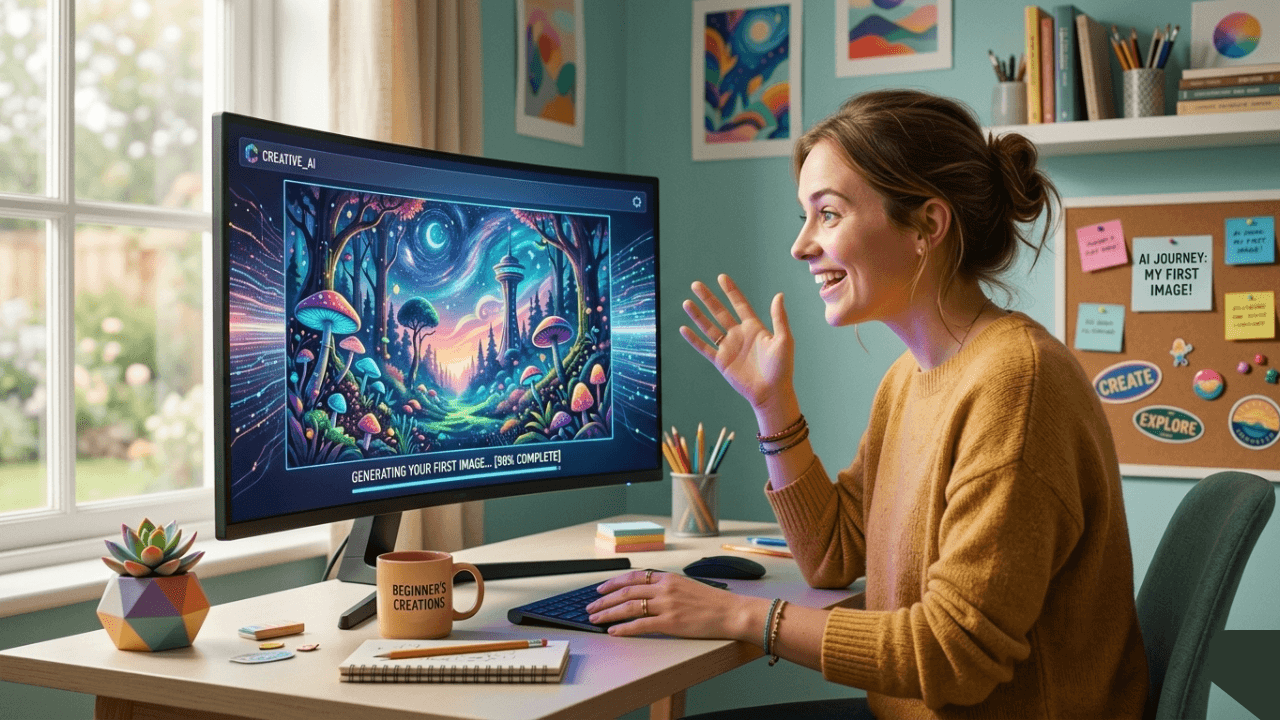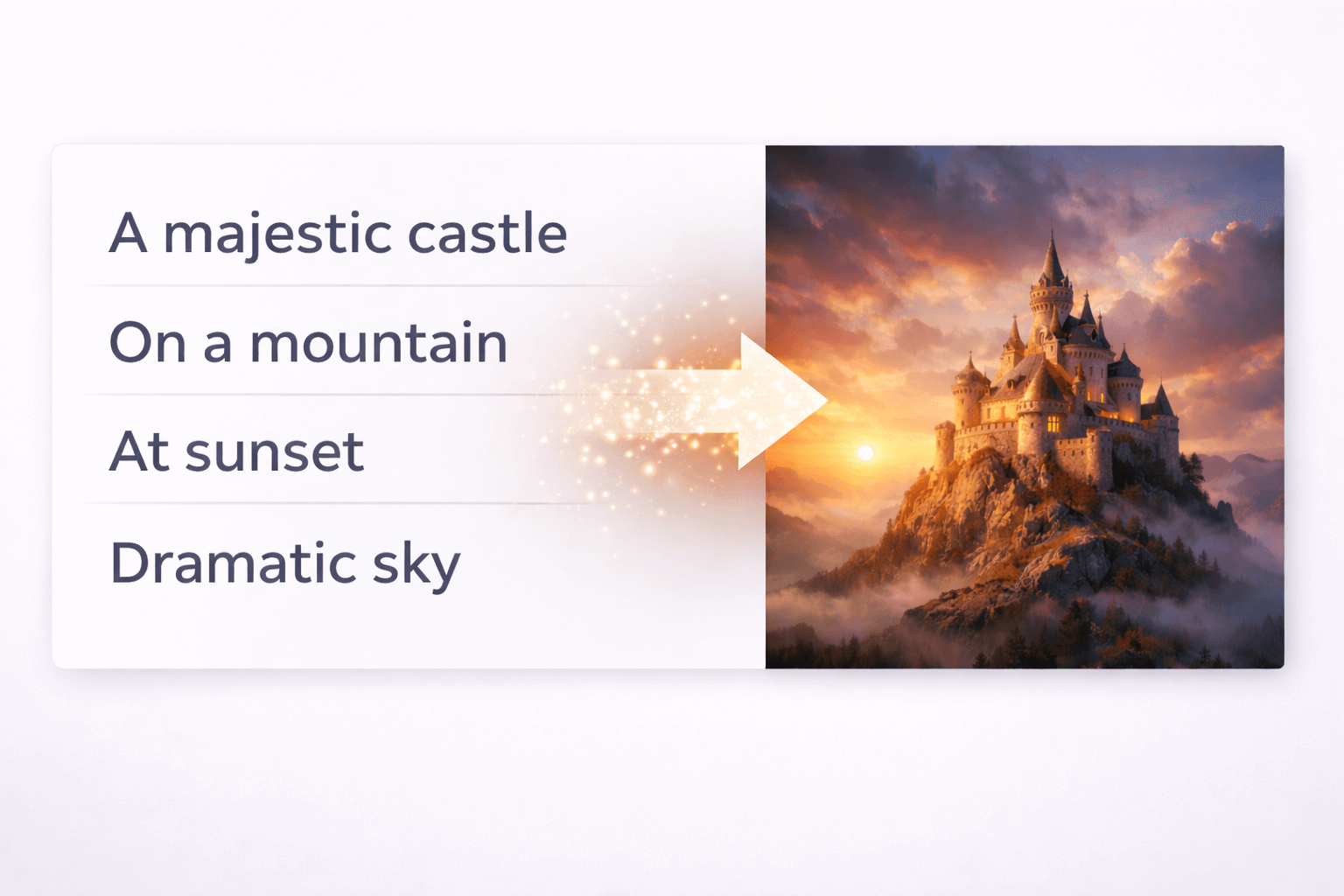
Two years ago, when I typed my first prompt and watched an image appear, I felt like I was living in the future. Today, that same feeling seems almost quaint. The pace of change in AI image generation is staggering – and it’s only accelerating.
In this guide, I’ll share my perspective on where this technology is heading. Not as a prediction, but as an exploration of possibilities based on where we are and where we’re going.
For a complete foundation in AI image generation, including how prompts work at a basic level, check out our comprehensive AI Image Generation Guide .
Where We Are Today
Before looking forward, let’s acknowledge how far we’ve come:
Current Capabilities
- Photorealistic images from text
- Consistent character generation
- Multiple style control
- Real-time generation
- Integration with other tools
Current Limitations
- Still struggles with complex scenes
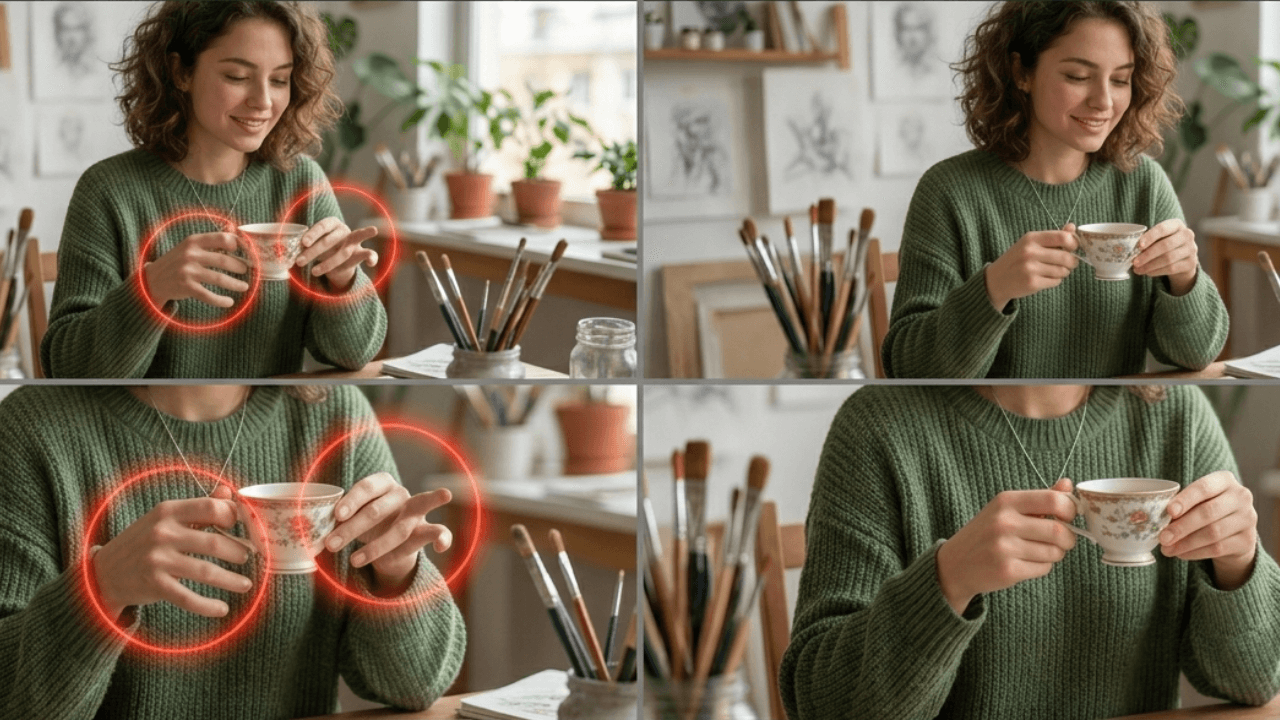
- Inconsistent anatomy
- Limited understanding of context
- Ethical and legal challenges
- Computational requirements
When I started, getting a decent image took hours. Now it takes seconds. The progress in just two years is mind-blowing.
Emerging Trends
Trend 1: Real-Time Generation
Generation times are dropping from seconds to milliseconds. Soon, we’ll see:
- Live video generation
- Interactive image creation
- Real-time editing
Trend 2: Higher Resolution
Current limits are expanding:
- 4K becoming standard
- 8K becoming accessible
- Print-quality images from prompts
Trend 3: Better Control
More precise control over:
- Anatomy and proportions
- Object placement
- Style consistency
- Lighting and composition
Trend 4: Video Integration
Text-to-video is already emerging:
- Short clips from prompts
- Consistent characters across frames
- Scene-to-scene coherence
Trend 5: 3D Generation
From 2D to 3D:
- 3D models from text
- Printable 3D assets
- Game-ready assets
Near Future (1-2 Years)
What to Expect
- Photorealism becomes standard – distinguishing AI from real photos will be nearly impossible
- Video generation matures – 30-second+ clips from prompts
- Better anatomy – hands and complex poses solved
- Integrated workflows – AI seamlessly integrated into design tools
- Mobile generation – high-quality generation on phones
What Will Improve
| Area | Today | Near Future |
|---|---|---|
| Resolution | 1024×1024 common | 4K standard |
| Generation Time | 5-10 seconds | 1-2 seconds |
| Video | 4-second clips | 30-second+ clips |
| 3D | Experimental | Practical |
| Control | Prompt-based | Multi-modal |
I’m already testing some of these emerging tools. The quality is improving faster than I can keep up.
Medium Future (3-5 Years)
What to Expect
- Full-length video generation – short films from text
- Interactive worlds – generate environments as you explore
- Personalized AI – models trained on your style
- Seamless integration – AI is just another design tool
- Ethical frameworks – clear guidelines and regulations
New Possibilities
- Virtual production – generate entire film sets
- Game development – generate assets in real-time
- Personal creativity – everyone becomes a creator
- Education – visualize any concept instantly
- Therapy – therapeutic image creation
Long Future (5-10+ Years)
What to Expect
- Thought-to-image – generate from brain activity
- Full sensory generation – images with sound, feel
- Collective creativity – AI collaborating with multiple humans
- New art forms – genres we can’t imagine yet
- Blurred boundaries – AI and human creativity inseparable
Philosophical Questions
- What is creativity when anyone can create anything?
- How do we value human vs AI art?
- What does it mean to be an artist?
- How do we preserve human culture?
Challenges Ahead
Technical Challenges
- Computational requirements
- Energy consumption
- Quality consistency
- Real-time generation at scale
Ethical Challenges
- Misinformation and deepfakes
- Copyright and ownership
- Job displacement
- Creative authenticity
- Access inequality
Social Challenges
- Digital literacy
- Cultural impact
- Artistic identity
- Community standards
These challenges keep me up at night. But they also motivate me to create responsibly and help others do the same.
How to Prepare for the Future
For Creators
- Stay curious – never stop learning
- Experiment constantly – try new tools and techniques
- Build skills beyond prompting – understand art, design, photography
- Develop your unique voice – AI can copy, but can’t replace your perspective
- Connect with community – learn from others, share your learning
For Businesses
- Experiment now – understand what’s possible
- Develop guidelines – ethical use policies
- Train teams – build AI literacy
- Stay flexible – adapt as technology evolves
- Think long-term – where will this be in 5 years?
For Everyone
- Stay informed – follow developments
- Think critically – question what you see
- Engage ethically – use technology responsibly
- Share feedback – help shape the future
- Enjoy the journey – we’re living through history
Frequently Asked Questions
Will AI replace human artists?
No. AI will change how artists work, but human creativity, perspective, and emotion remain irreplaceable.How can I stay updated on AI image generation?
Follow tools’ official channels, join communities, and experiment regularly.What skills will be most valuable in the future?
Creativity, critical thinking, ethics, and the ability to work with AI as a collaborator.Is it too late to start learning?
Absolutely not. The field is still in its infancy. Now is the perfect time to start.How do I prepare my children for this future?
Encourage creativity, critical thinking, and ethical reasoning. Teach them to work with technology, not fear it.
Conclusion
When I typed my first prompt two years ago, I couldn’t have imagined where we’d be today. And I can’t imagine where we’ll be in another two years.
What excites me most isn’t the technology itself – it’s what people will create with it. New art forms, new voices, new ways of seeing the world.
The future of AI image generation isn’t written yet. We’re all writing it together, one prompt at a time.
Thank you for reading!