Last month, a fellow creator reached out to me in panic. Someone had used their AI-generated portrait in a commercial campaign without permission. They felt violated, confused, and powerless.
That conversation made me realize something important: as AI image creators, we have responsibilities beyond just making beautiful images. We need to think about how our images are used, and how we use others’.
In this guide, I’ll share what I’ve learned about the ethical use of AI generated images – so you can create responsibly and protect yourself and others.
Why Ethics Matter in AI Image Generation
1. Real People Are Involved
AI images often depict real people or are based on real people’s likenesses.
2. Copyright is Complex
Who owns an AI-generated image? The prompter? The tool creator? The training data artists?
3. Misuse Can Harm
AI images can be used to deceive, harass, or exploit.
4. Trust Matters
If creators don’t act ethically, the whole community loses trust.
5. Legal Landscape is Evolving
What’s acceptable today might not be tomorrow. Stay informed.
I’ve had my own images used without permission. It’s not a good feeling. Now I’m extra careful about how I use others’ work.
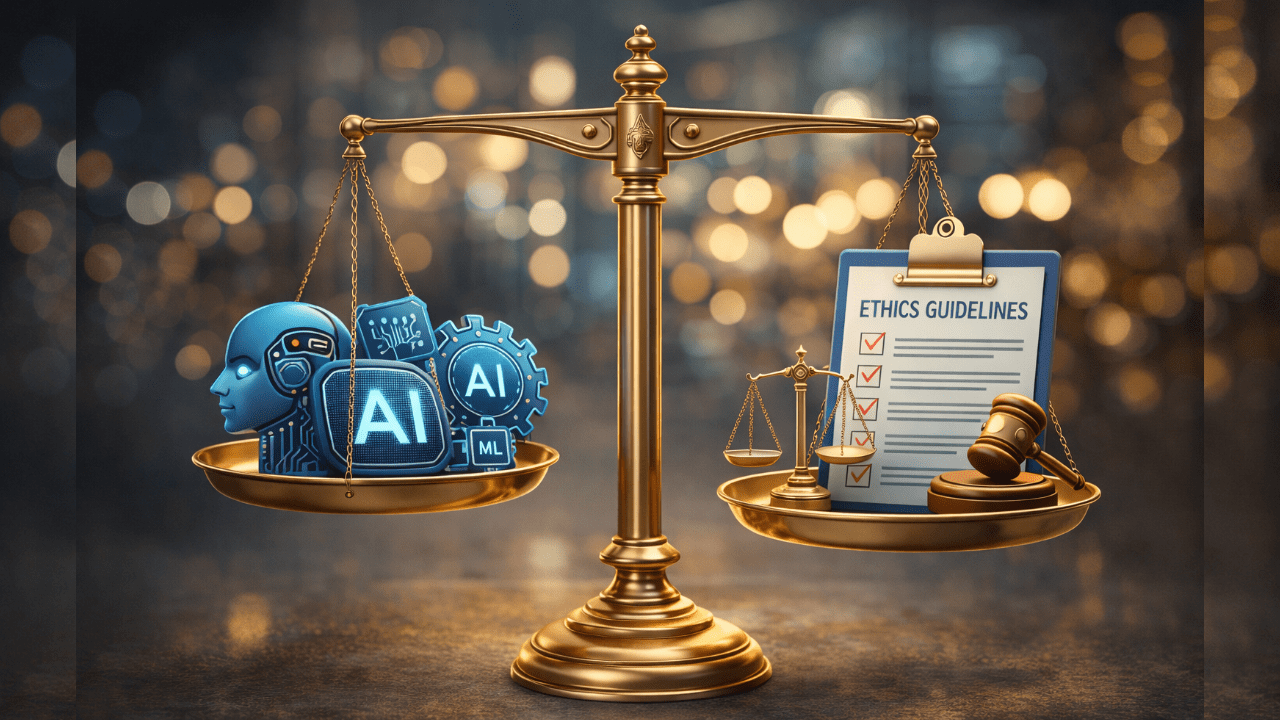
Key Ethical Principles
Principle 1: Obtain Consent
If you’re generating images of real people:
- Get explicit permission
- Explain how the images will be used
- Respect if someone says no
Principle 2: Be Transparent
When sharing AI-generated images:
- Disclose they’re AI-generated
- Don’t misrepresent as real photos
- Be clear about any modifications
Principle 3: Respect Copyright
- Don’t copy others’ prompts without permission
- Don’t generate images in others’ styles without credit
- Understand your tool’s terms of service
Principle 4: Avoid Harm
Don’t generate:
- Non-consensual intimate images
- Misleading political content
- Harassing or bullying content
- Images that could cause real-world harm
Principle 5: Credit When Appropriate
If you’re inspired by someone’s style or technique:
- Give credit
- Link to their work
- Ask if unsure
Practical Ethical Guidelines
For Personal Use
- ✅ Generate for your own enjoyment
- ✅ Share with friends and family
- ✅ Experiment and learn
- ❌ Don’t claim as your own photography
- ❌ Don’t use others’ prompts without credit
For Social Media
- ✅ Use hashtags like #AIart #AIGenerated
- ✅ Disclose in captions
- ✅ Credit inspiration sources
- ❌ Don’t mislead followers
- ❌ Don’t generate deceptive content
For Commercial Use
- ✅ Check tool’s commercial license
- ✅ Get model releases for recognizable people
- ✅ Be transparent with clients
- ❌ Don’t use without clear rights
- ❌ Don’t infringe on trademarks
For Client Work
- ✅ Explain AI’s role in your process
- ✅ Discuss rights and ownership upfront
- ✅ Deliver original, not copied, work
- ❌ Don’t hide AI use
- ❌ Don’t charge for work you didn’t create
Copyright and Ownership
Who Owns AI-Generated Images?
This varies by tool and jurisdiction:
| Tool | Ownership Policy |
|---|---|
| Leonardo AI | User owns generated images (check commercial terms) |
| Midjourney | Paid users own images, free users have limited rights |
| Stable Diffusion | Generally user owns, but check specific platform |
Best Practices
- Read your tool’s terms of service
- Keep records of generation
- Don’t assume you own everything
- Be cautious with commercial use
I keep a folder of terms of service PDFs for every tool I use. When questions come up, I have answers.
Consent and Likeness
Generating Images of Real People
- Always get permission
- Explain how images will be used
- Respect withdrawal of consent
- Be extra careful with minors
Using Reference Photos
- Use your own photos when possible
- Get permission for others’ photos
- Don’t scrape social media for references
- Credit photographers when appropriate
Deepfakes and Misuse
Never generate:
- Non-consensual intimate images
- Political misinformation
- Harassing content
- Images meant to deceive
I have a strict rule: if I wouldn’t show it to the person in real life, I don’t generate it.
Transparency Guidelines
When Sharing AI Images
| Platform | Disclosure Method |
|---|---|
| #AIGenerated in caption or comments | |
| Twitter/X | #AIArt in thread |
| Art Station | “AI Generated” in tags |
| Portfolio | Clear disclosure in description |
| Client Work | Discuss AI use upfront |
What to Disclose
- That the image is AI-generated
- Which tool was used (optional but helpful)
- Any significant modifications
- Sources of inspiration (if relevant)
Common Ethical Dilemmas
Dilemma 1: Style Imitation
Someone has a distinctive style. Can you generate images in that style?
Consider:
- Are you copying exact prompts?
- Are you claiming the style as your own?
- Would the original artist be okay with it?
Better approach: Be inspired, don’t copy. Credit your influences.
Dilemma 2: Reference Images
You find a perfect photo online. Can you use it as a reference?
Consider:
- Is it copyrighted?
- Would the photographer mind?
- Are you using it commercially?
Better approach: Use your own photos or get permission.
Dilemma 3: Client Expectations
A client wants “AI-generated images” but doesn’t understand the technology.
Consider:
- Are they expecting original work?
- Do they understand AI’s limitations?
- Who owns the rights?
Better approach: Educate clients before starting.
Frequently Asked Questions
Can I sell AI-generated images?
Check your tool’s terms. Many allow commercial use, but some have restrictions.Do I need to disclose AI use?
Yes, especially in professional contexts. Transparency builds trust.Can I generate images of celebrities?
Legally complex. Better to avoid unless you have permission.Who owns the copyright?
It varies by tool and jurisdiction. Read your tool’s terms carefully.What if someone uses my AI image without permission?
Document everything. Contact them. Consult a lawyer if serious.
Conclusion
That panicked message from a fellow creator taught me that ethics aren’t abstract concepts – they’re real issues that affect real people.
Now I approach every generation with questions: Who might this affect? How might it be used? Am I being responsible? These questions have never steered me wrong.
For a complete understanding of AI image generation, including prompts, models, and workflows, check out our comprehensive AI Image Generation Guide.
Thank you for reading!